“In all the works on pedagogy that ever I read … I don’t remember that any one has advocated a system of teaching by practical jokes, mostly cruel. That, however, describes the method of our great teacher, Experience.”
— Charles Pierce
Courses
Statistics (Math 2606)
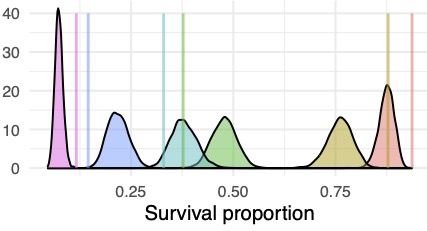
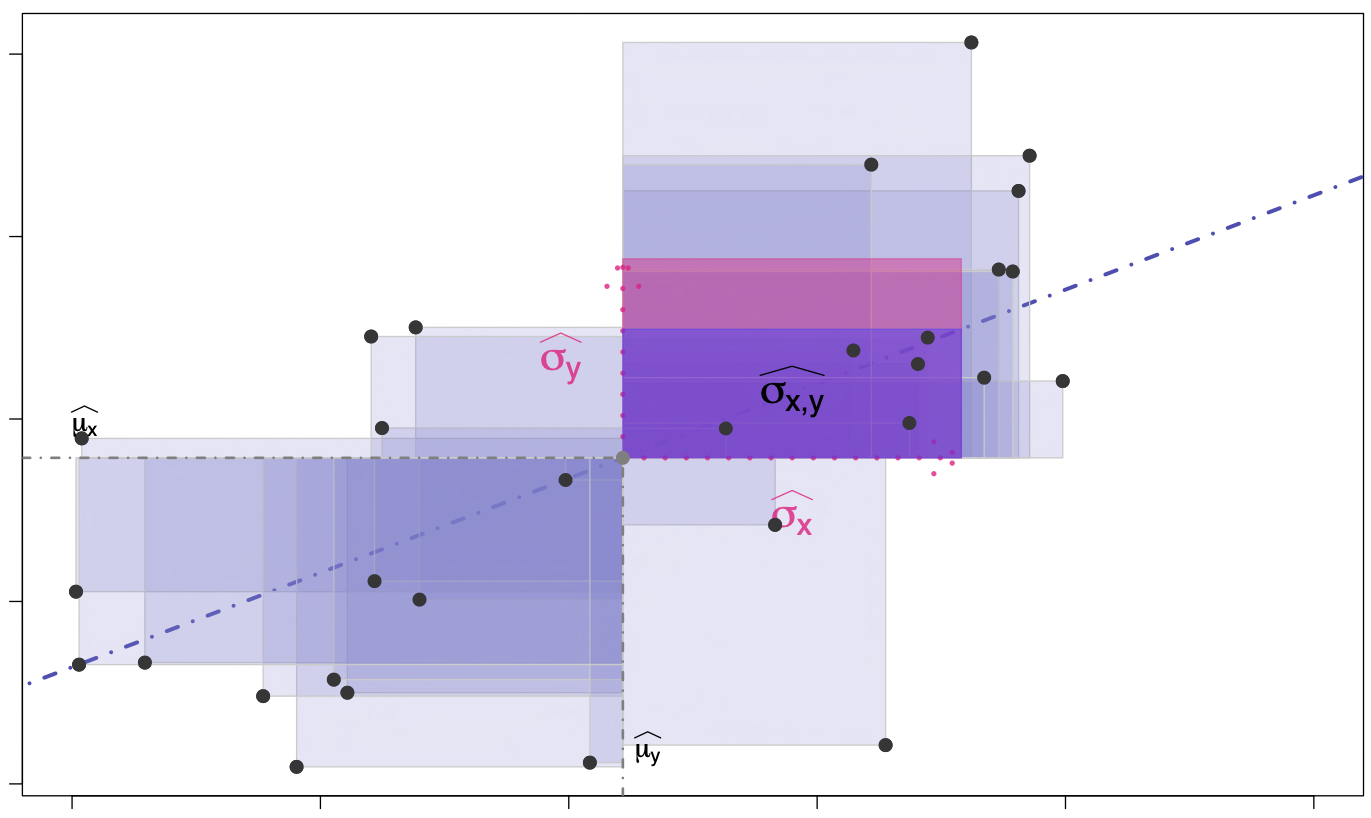
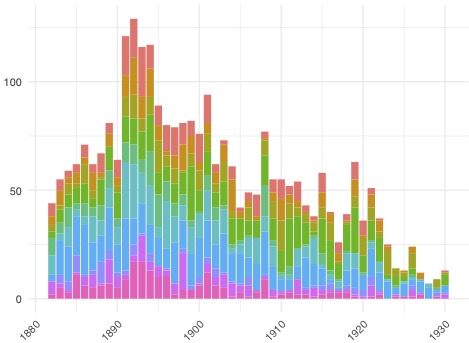
An intensive survey of the practice and principles of statistical modeling. Over the course of the semester, we’ll be: (1) learning how to build statistical models; (2) learning how to interpret their results from real data sets, and (3) repeating that in as many ways and contexts as we can possibly squeeze in during our time together. The course is structured as a brisk – some might say breathy – tour of many of the workhorses of computational statistics: simulation, parametric models, testing, regression (in its myriad forms), model selection, and clustering. To give students as wide a range of perspectives on the subtle craft, extraordinary power, and varied dangers of statistical reasoning, we’ll draw on wide array of examples: municipal hate crimes, speed dating experiments, exoplanet surveys, criminal sentencing, immigration control procedures, and sightings of Big Foot.
Though a comprehensive review is provided, the pace of the material very much assumes a previous course in probability. No coding experience is assumed but for those with truly no experience a lighter schedule for the semester might be wise.
Data Science (Math 1756)
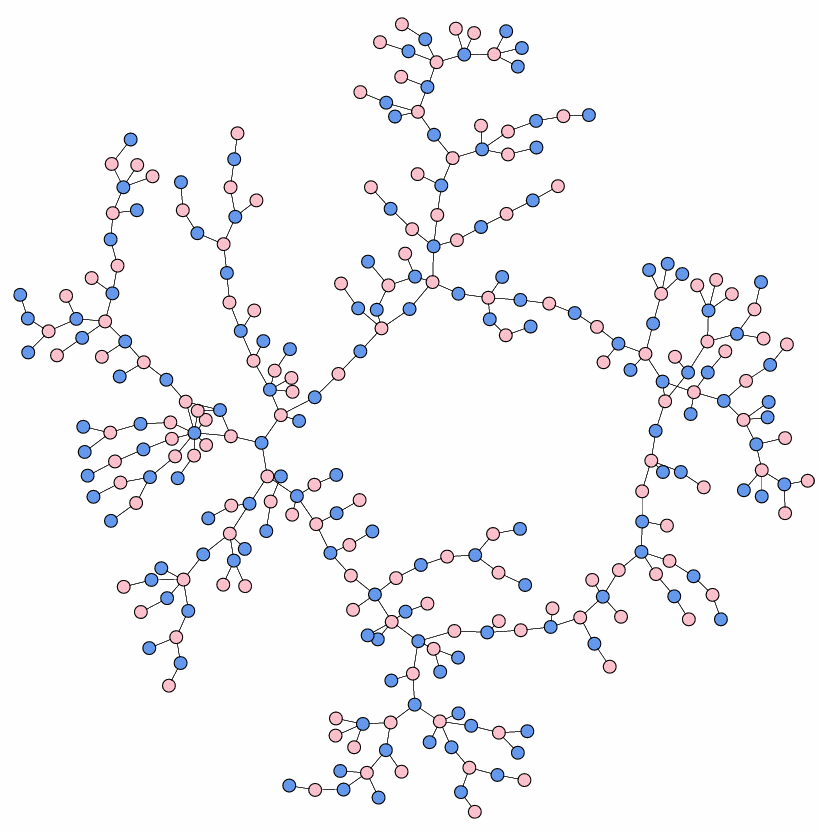
An advanced introductory exploration of the principles of data science, including logic, probability, data organization,
As a final project, students will present a set of models for a data set of their choosing.
Examples will be drawn from data sets that
calculus-informed and computation-based introduction to the interpretation of data.